 UNITED Static Control Products Contact us | Telephone 719 676 3928 | Search |
|
|
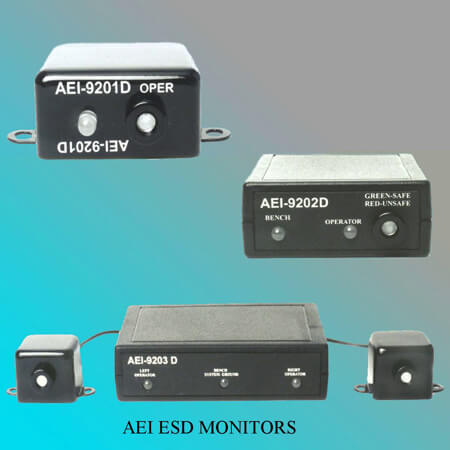
ESD CONSTANT MONITORSConstant Monitoring of ESD Wrist Straps & ESD MatsESD Constant Monitors by Static Solutions
WHY USE CONSTANT MONITORS?
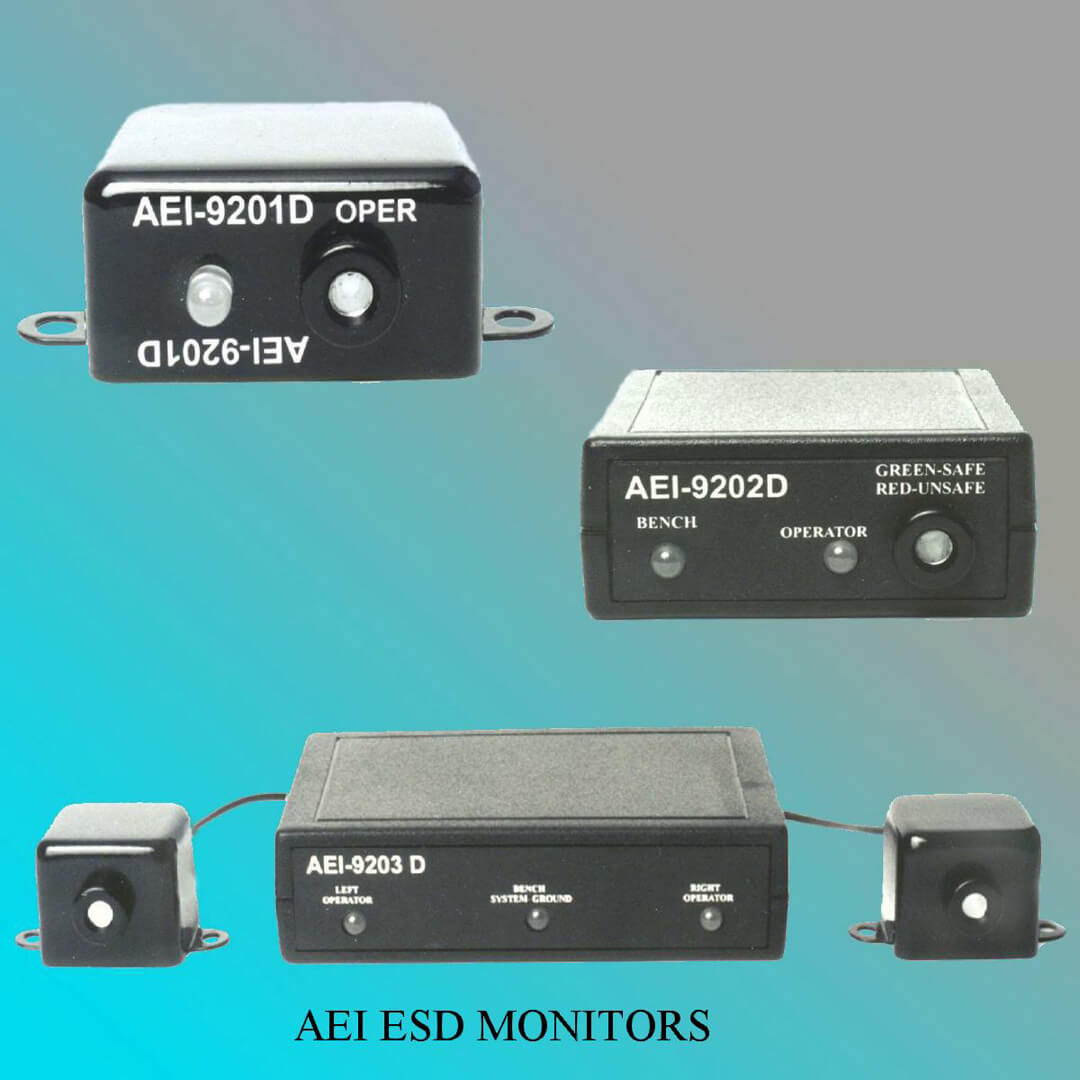
The uncontrolled discharge of static electricity can wreak havoc on components used in the manufacturing of electronics. To eliminate static from the technician and control this problem technicians and the mats they work on must be connected to a reliable electrical ground. ESD wrist strap and mat monitors insure the connection of the technician and mat to ground and alarm if this grounding becomes compromised. The reliable performance of ESD Matting and ESD Wrist straps are critical for your product's integrity and reliability. Yet hand testing and hand logging wrist straps and ESD table top performance is a cumbersome, labor intensive, paperwork nightmare. Use of our ESD wrist strap and ESD bench mat monitors continuously verifies the effectiveness of your ESD protected workstation, simultaneously satisfies ISO logging requirements and insures outstanding product quality. ESD constant monitors, the good, the bad and the UGLY: Now-a-days there are a variety of monitors to choose from. Many require expensive hard to find dual wire wrist straps, provide a pulsed verification a mere 10% of the time or are overseas knockoffs so cheaply made that FRAGILE should be in their part number! NOT SO with our monitors! These monitors provide 100% continuous verification, don't require special wrist straps and our American Made monitors are designed to exacting close tolerance specifications backed by the strongest warranty in the industry!
 Eliminates
cumbersome loggingEliminates
daily testing of wrist straps100%
Continuous, catches problems immediately Eliminates
cumbersome loggingEliminates
daily testing of wrist straps100%
Continuous, catches problems immediately
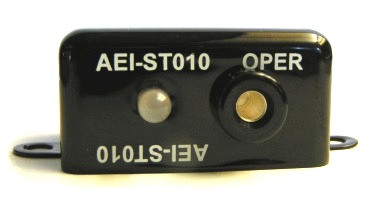
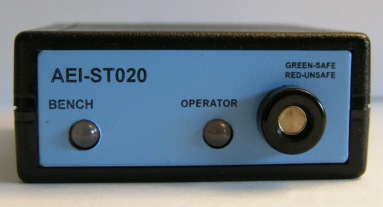
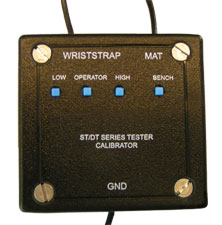
ST SERIES MONITORS (single threshold resistance monitoring)
Single Threshold. Alarm at high resistance levels only and test the most typical failure modes such as compromised skin to wrist strap contact, worn strap material or broken ground cords and connections (high resistance levels = alarm).
100 PLUS? CALL FOR THE WEBS BEST DISCOUNT ON ESD CONSTANT MONITORS!
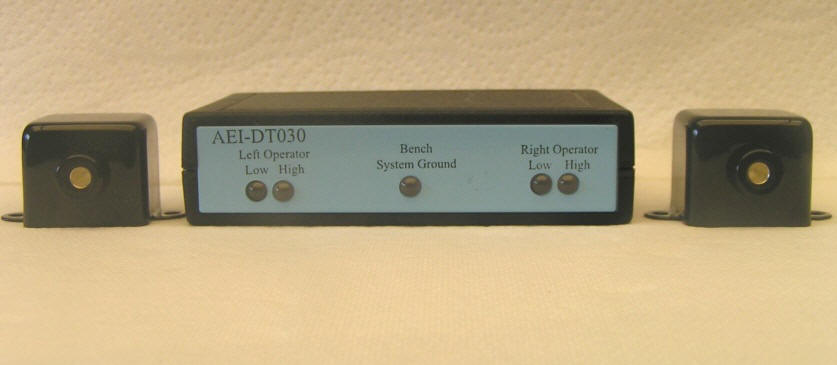
DT SERIES MONITORS (dual threshold resistance monitoring)
Dual Threshold. Test the typical failure modes such as compromised skin to wrist strap contact, worn strap material or broken ground cords and connections (high resistance levels = alarm) AND test for lost minimum resistance (IE the failure of the resistor in the wrist strap or ground cords). Loss of the wrist strap safety resistor can constitute a safety hazard for the operator (especially when working with high voltage power supplies and equipment). In addition, lost resistance can cause an immediate discharge of electrostatic potential (rather than controlled) potentially as damaging as not eliminating the charge in the first place.
Stocking Status: Currently in Stock and Ready to Ship
ESD MONITOR ACCESSORIES
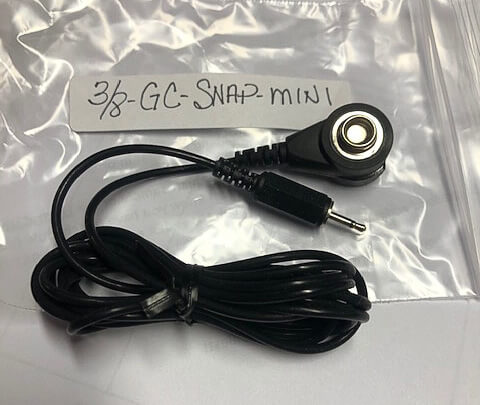
The DT and ST monitors are terminated with an alligator clip that can be attached to a bi-layer mat or the fastener that is mounted on a tri-layer mat. This Optional snap attachment snaps onto a standard 3/8 female mat snap socket for a more secure connection. Part Number GC-Mini. Cost $7.49 each. Buy Online.
The 020 and 030 units are supplied with a Velcro adhesive fastening system. This optional mounting bracket can be mechanically fastened to the underside of a bench for a more secure mounting of the ST and DT 020 and 030 Monitors.
Metal Bracket Kit for use with 020 and 9202 series monitors: $8.57 each Buy Online. Metal Bracket Kit for use with 030 and 9203 series monitors: $8.57 each. Buy Online.
NOTE: ESD mat monitors require matting that has a conductive inner scrim (tri-layer) or a conductive bi-layer (conductive on back side, static dissipative top surface). The following materials work well with all constant monitors: UltraComfort tri-layer vinyl, UltraTough heavy duty tri-layer vinyl, ElectraTherm heat resistant two layer rubber.
NOTE: If using tri-layer static dissipative matting the cable going to the monitor and the ground connection from the matting must make contact with the conductive inner layer of the ESD mat. To insure this contact use either our push and cinch or mat snap kit and punch a tight hole in mat for subsequent attachment of the fastener. Many customers hardwire the bench cable to the fastener (the unit is supplied standard with an alligator attachment) or use the optional snap fastener attachment.
Visit comparison of resistance and capacitance for difference in alarms
Contact United Static Control Products Tame the Static Beast Before it Takes another Byte! © 1996 - 2026 All rights Reserved This page last Updated on 03/30/2026 * |
| |||||||||||||||||||||||||||||||||||||